Illegal auto-rickshaws driving midnight power crisis: Minister
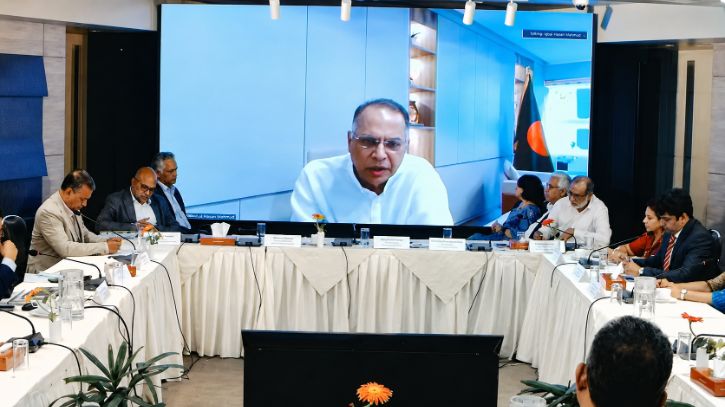
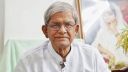
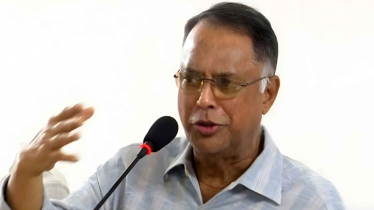
Energy Minister Ikbal Hassan Mahmud Tuku/ Photo: Collected
Power, Energy and Mineral Resources Minister Ikbal Hassan Mahmud Tuku has said that the unchecked proliferation of illegally operated battery-run auto-rickshaws and e-bikes has driven an unprecedented surge in electricity demand well past midnight, a pattern never previously observed in the country's power consumption trends.
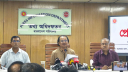
Speaking as chief guest at a dialogue titled "Addressing Bangladesh's Energy Crisis: Urgent Priorities and a Path to a Sustainable Energy Future," organised by the Centre for Policy Dialogue (CPD) at BRAC Centre in Mohakhali on Thursday (13 August), the minister said that while peak demand had traditionally run from 7 pm to midnight before tapering off, the national grid is now sustaining an anomalous load of nearly 18,000 megawatts well beyond midnight. He attributed this shift chiefly to the sheer volume of battery-powered rickshaws and e-bikes -- colloquially dubbed the "poor man's Tesla" -- which place enormous strain on the grid as they are charged en masse overnight after a full day's use. He further alleged that the majority of night-time electricity connections powering these vehicles are illegal or unauthorised, and that while the power division is conducting vigorous drives to identify and disconnect such connections, its officials frequently face obstruction, and at times assault, from influential local quarters.
Presenting the broader energy sector outlook, CPD's lead author Fakhruddin Al Kabir noted that the country is currently grappling with a daily gas shortfall of 1,200 to 1,400 million cubic feet (mmcfd), driven by declining production at domestic gas fields and an inability to import sufficient LNG amid global market volatility, forcing many power plants to operate partially or shut down entirely. The minister attributed the deepening crisis in part to a recent fire at the floating LNG terminal (FSRU) in Maheshkhali, though a major disaster was averted by timely relocation of a nearby LNG vessel; one FSRU currently remains operational to maintain minimal gas supply, though a full 72-hour system shutdown will be required once repairs are complete to synchronise the terminal's two boilers. He also cited stopgap measures including container-truck gas supply from Bhola to industry and ongoing talks with a Malaysian firm, while sharply criticising the previous government for fostering 17 years of import dependency without proper exploration or long-term planning.
Read More: Anny named Home Minister, Salahuddin moves to LGRD
Outlining forward plans, the minister said a new LNG terminal had already been formally ordered 10–12 days ago, with three further FSRUs planned for Payra, Mongla and Hiron Point (Khulna) by 2029, alongside interest from a major American investment group in the LNG and energy sector and orders for two new rigs to strengthen domestic exploration by Bapex. Responding to criticism over oil import policy, he clarified that no specific policy or final decision had yet been made regarding allocating oil imports to Bashundhara Group, and urged the public to disregard rumours circulating in the market. The session, moderated by CPD Executive Director Dr Fahmida Khatun, was also attended by Apex Footwear Managing Director Syed Nasim Manzur, energy expert Dr Ijaz Hossain, and Bangladesh Independent Power Producers Association President David Hasnat, among other leading business figures and energy sector experts.
newsbangladesh.com/mb