Global oil prices fall amid hopes of US-Iran talks
File: Photo
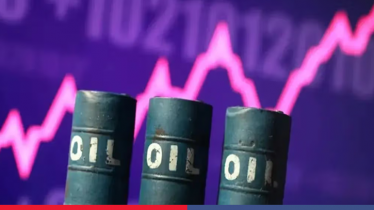
Global oil prices retreated on Friday after US President Donald Trump signalled that Washington would refrain from striking Iran before the November midterm elections, allaying, at least for the moment, fears of a calamitous disruption to energy supplies.
Brent crude futures fell by $1.37, or 1.3 per cent, to $102.91 a barrel, while US West Texas Intermediate (WTI) crude shed $1.09, or 1.2 per cent, to $90.40. The decline followed Mr Trump’s assertion on Thursday that Washington was engaged in productive negotiations with Tehran, in which he categorically ruled out attacks before the November 3 vote. Meanwhile, Iran’s Tasnim news agency reported that Foreign Minister Abbas Araghchi was scrutinising Washington’s response to an Iranian proposal that could pave the way for the reopening of the Strait of Hormuz within seven days.
Nevertheless, analysts cautioned that any sustained price relief would hinge on tangible diplomatic progress and the restoration of secure maritime passage through the strategic waterway. Furthermore, Washington has continued to tighten the economic screws on Tehran, imposing fresh sanctions on 17 vessels, individuals and networks allegedly implicated in transporting Iranian crude oil and petrochemical products. Conversely, two developments may help to alleviate the supply squeeze: China is preparing to resume refined fuel exports after its Golden Week holiday, and member states of the International Energy Agency have agreed to expedite the release of emergency oil reserves.
Read More: Trump rules out Iran strikes before midterms
Elsewhere, Hurricane Isaias has compounded the market’s anxieties by disrupting domestic production in the Gulf of Mexico. According to the Bureau of Ocean Energy Management, roughly 1.3 million barrels of daily output, equivalent to 62.9 per cent of the region’s current production, had been shut in amid storm-related concerns. Consequently, although diplomatic overtures have eased immediate apprehensions, supply bottlenecks and entrenched geopolitical uncertainty continue to pose formidable risks to global energy prices.
(Source: Reuters)
newsbangladesh.com/mb