Climate challenges and Public Health through Waste Management
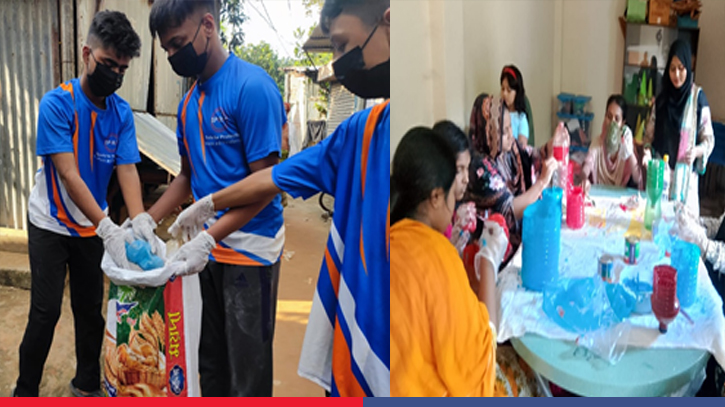
Photo: Collected
Due to rapid urbanization, the informal settlements of Mirpur 12, Bouniabad and Beguntilla in Dhaka, Bangladesh are facing a number of environmental degradation problems. Huge chunks of residential areas are witnessing an increase in population density. Combined with the absence of proper municipal services, the waste generated by the residents is dumped in the open spaces, streets, and water bodies. This, along with improper drainage management, results in water logging, which not only serves as a breeding ground for mosquitoes that spread disease but also destroys livelihoods.
To address such urban challenges as gender-based violence, communal tensions, and lack of civic engagement, the non-profit organization Breaking the Silence (BTS), which promotes child rights and youth empowerment, was created. Within the framework of the “Sports for Protection, Resilience, and Transformation” (SPiRiT), project initiated by the Terre des Hommes (Tdh) Foundation and implemented with the participation of 1,000 children and young people from Mirpur 12, Bouniabad, and Beguntilla, sports sessions and civic capacity-building events were organized. They provided the local participants with the platform to discuss their concerns in the urban environment and take action as change-makers in their community .
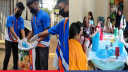
After engaging in fundamental sports and developmental activities, the youths set up local Youth-Led Initiatives to conduct an inventory of environmental hazards. The young people performed a block-to-block garbage mapping exercise to identify hotspots and major garbage sources and problem areas with extensive drainage blockages. They also understood the need to collaborate with various stakeholders, such as the community elders, cleaners, garbage committee, and Dhaka north city corporation, to develop practical solutions . One of the key activities involved plastic waste management. Youth groups were involved in collecting used plastic wastes and polythene bags from their local community’s alleys. The collected materials were sorted into those that could be dumped and those that could be recycled. The recyclable plastics were cleaned, painted, and turned into hanging plant pots. This initiative helped to free the narrow alleys of concrete informal settlements from clogging with plastic wastes and provided much-needed vegetation in the form of hanging plants .
Read More: One Planet, No Climate Borders
The upcycling and vertical gardening activities helped educate the whole community about the environment. While the children were painting the left plastic containers and planting small plants, the parents and neighbors took part in the process. The family members learned how they can make use of old items thrown away instead of throwing them directly into the drain. The home activity was a great start for changing community members’ behavior towards waste management, especially collecting waste from home . In addition to the abovementioned home-based changes in plastic waste management at a local level, the youth have engaged in community health issues such as drainage system clean-up. In this regard, young boys and girls got involved in clearing drains of plastic blockages. This intervention will help reduce the formation of stagnant water in the drains, especially during the rainy season. Consequently, water-borne diseases and pests such as dengue fever will be profoundly reduced.
Physical infrastructure for children and youths was immediately addressed within the scope of the initiative. Bouniabad Block B (Ananda Niketan School ground) where Youth Groups undertook a restoration campaign with a specific focus on the removal of accumulated surface garbage from the school field. They also leveled the ground using sand and cleared the adjacent drainage outlets. By restoring the physical safety and drainage capacity of the school ground, the youth were able to provide public open spaces which were crucial for healthy child development and sport activities Being aware that local business hubs have been contributing to massive amounts of waste on a daily basis, the youth groups directly involved the local business owners. The youth distributed waste collection baskets, brooms, and shovels to the local tea stalls and vendors in the neighborhoods. In addition, they held informal talks with the shopkeepers about the implications of throwing away single-use plastics into the open streets. The young girls took initiative to lead field clean-up campaigns in the local recreational areas to help ease the burden of cleaning up.
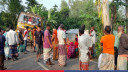
The concrete outcomes of the YLI campaigns were highly appreciated by the local government and community leaders. For instance, Mr. Solaiman Patwary, President of the local Child Protection Committee, participated in the youth-organized cleaning activities and called upon his colleagues to create permanent youth action teams to address various issues in their communities in the future. Local authorities and donors recognized the leadership skills exhibited by the youths and recommended scaling up the SPiRiT strategy to strengthen Dhaka’s informal settlements’ resilience to climate change.
The SPiRiT project’s youth waste initiative is a prime example of how young people can take matters into their own hands to improve their city while doing something they are passionate about. This initiative serves as a model for other urban centers grappling with the effects of climate change by linking athletics to ecological sustainability. The campaign’s strength lies in its ability to harness the dynamism of youth energy to promote environmental consciousness while providing a platform for self-expression. Moreover, the program’s success in engaging local communities to mitigate urban flooding and enhance quality of life stands to have far-reaching implications for climate-resilient development in the Global South .
newsbagladesh.com/nd