Home Minister declares political end of Hasina`s Awami League
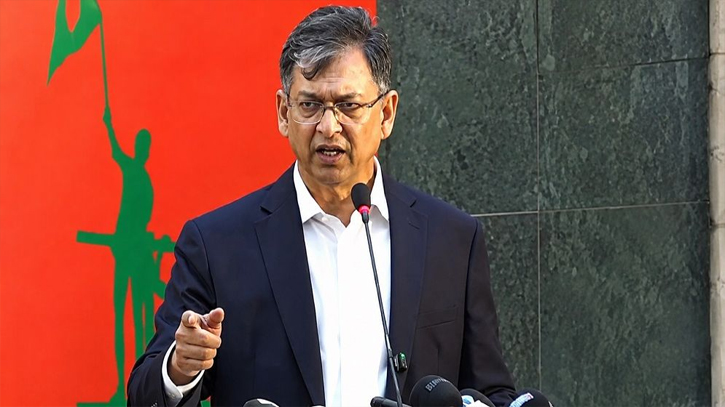
Photo: Collected
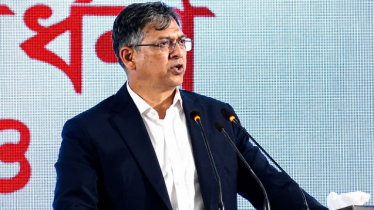
Home Minister Salahuddin Ahmed, a standing committee member of the BNP, has declared that the Awami League--banned from political activity over allegations of crimes against humanity and killings during the uprising--and its chief Sheikh Hasina have been decisively "politically buried," while accusing India of complicity in allowing Hasina to spread destabilising rhetoric against Bangladesh from Delhi.
Addressing a discussion titled "Role of University Teachers in the Fall of the Fascist Government" at Dhaka University's Senate Building on Saturday, organised jointly by the university's Sada Dal and UTAB to mark the second anniversary of the July mass uprising of 2024, Salahuddin asserted that despite ongoing trials--some concluded, many still underway--
Hasina has shown no remorse, instead framing her removal from power as the work of militant elements rather than a democratic movement, even as UN reports indicate more than 1,400 people, including women and children, were killed, with gunfire directed at civilians from helicopters. He questioned how India could continue to regard her as a legitimate democratic leader in light of such findings, while affirming that Bangladesh seeks friendly, mutually respectful relations with India, but "we can never become the Awami League."
The home minister further noted that despite an International Crimes Tribunal conviction, a death sentence, and multiple pending cases against her, Hasina continues to engage with global media from India--prompting formal protests from the foreign ministry, he said, while asserting that Bangladesh would not endorse continued platforming of "a fascist, a convicted perpetrator of crimes against humanity." He warned against politics built on "selling the spirit" of past movements, invoking the failures of similar rhetoric surrounding 1971, and rejected any attempt to isolate credit for the July uprising to a single 36-day period, characterising it instead as the culmination of seventeen years of sustained democratic struggle--while acknowledging the sacrifices of student leaders who fought on the frontlines.
Read More: Doctors must raise health awareness alongside treatment: PM
Turning to constitutional reform, Salahuddin pledged amendments to fulfil the aspirations of those martyred in the uprising, including a cumulative ten-year cap on any individual's tenure as prime minister regardless of term structure, a system allowing MPs to elect the president through free voting, and checks and balances built around an upper and lower house. He warned that failure to realise the martyrs' aspirations would forfeit BNP's very right to engage in politics in Bangladesh, while vowing continued unity against fascism despite internal differences and debate within the movement.
newsbangladesh.com/mb