Why are potato chip Bags half empty?
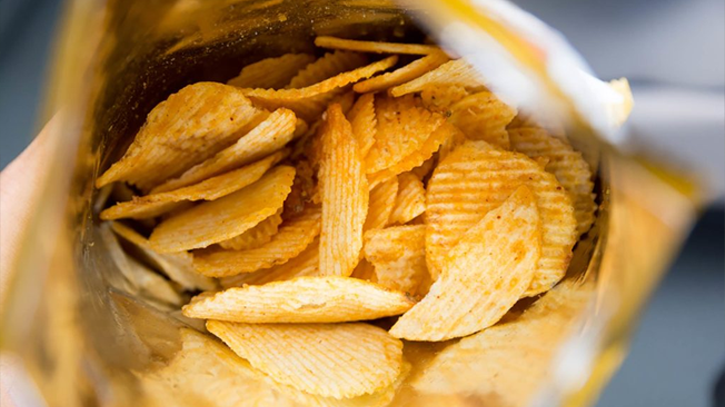
Photo: Collected
The seemingly empty space inside a packet of potato chips often leaves consumers wondering whether they are paying for air instead of snacks. However, food scientists say the extra space serves a practical purpose, helping preserve freshness and protect the chips from damage rather than misleading buyers.
Contrary to popular belief, the "air" inside a chip packet is not ordinary air but nitrogen gas--a colourless, odourless and chemically inert gas that makes up about 78% of Earth's atmosphere. Unlike oxygen, nitrogen does not react with food, preventing chips from becoming stale or losing their crisp texture. By displacing oxygen inside the packet, nitrogen helps preserve flavour, freshness and shelf life throughout storage and distribution.
The gas also acts as a protective cushion during transportation. From the factory to retail shelves, chip packets are subjected to repeated handling, stacking and movement. The nitrogen-filled space absorbs external pressure, significantly reducing the likelihood of the fragile chips breaking into small pieces. Without this protective buffer, many of the chips would arrive crushed before reaching consumers.
Read More: Seven nighttime exercises for better sleep
Although larger packets may also serve as a marketing strategy by creating the impression of greater quantity, the primary purpose of the empty space is product protection rather than deception. Food manufacturers are required to provide the net weight of the contents on the packaging, meaning consumers receive the amount of chips stated on the label regardless of the packet's size.
newsbangladesh.com/mb