The significance and virtues of miswak
File: Photo
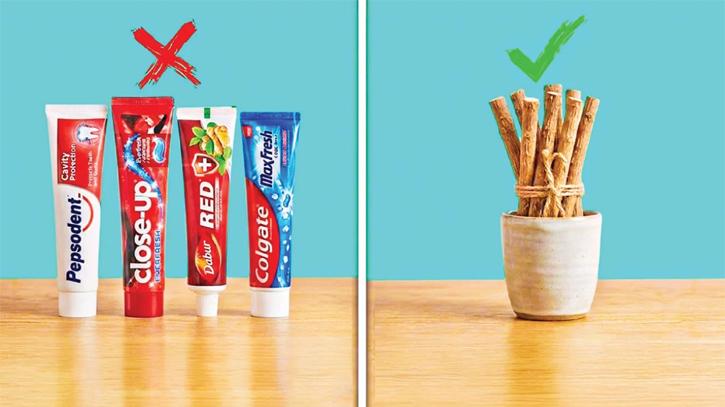
Recent concerns have emerged over the presence of microplastics in many commercially available toothpastes. A study conducted by the Environment and Social Development Organization (ESDO) found that 76.5 percent of the toothpaste samples it examined contained microscopic plastic particles, commonly used for cleaning and polishing teeth. The findings have sparked widespread public concern about oral hygiene products. Yet, more than 1,400 years ago, Prophet Muhammad (peace and blessings be upon him) taught the practice of using miswak--a simple but remarkable Sunnah that serves not only as a means of maintaining oral hygiene but also as a source of numerous spiritual and physical benefits for believers.
The Prophet (peace be upon him) emphasized the importance of miswak in a well-known hadith:
“Had I not feared causing hardship for my Ummah, I would have commanded them to use the miswak before every prayer.”
(Sunan al-Nasa'i, Hadith: 7)
This narration highlights the immense value of miswak. Although it is a Sunnah rather than an obligatory act, the Prophet's statement demonstrates that its significance is so great that it could have been made compulsory had it not imposed difficulty upon his followers.
Islamic scholars have mentioned many virtues associated with the regular use of miswak, including:
- It earns the pleasure of Allah.
- It removes unpleasant breath and strengthens the teeth.
- It helps maintain oral cleanliness and contributes to overall physical well-being.
- It is said to enhance memory, sharpen understanding, and improve eyesight.
- It purifies the heart and enhances one's appearance.
- It is a means of honour, with narrations mentioning the prayers and greetings of angels for those who adhere to this Sunnah.
- It displeases Satan and strengthens a believer in acts of worship.
- It is hoped to bring blessings at the time of death, including the ability to recite the Kalimah and attain the mercy of Allah.
(Marāqī al-Falāḥ, p. 54)
Beyond its spiritual virtues, modern dental science has also acknowledged several health benefits associated with miswak. It has been found to possess natural antibacterial properties and may help reduce plaque, strengthen gums, and improve oral hygiene. Conditions such as gingivitis, bleeding gums, tooth decay, and pyorrhoea can often be prevented or alleviated through proper oral care, and research suggests that miswak can contribute positively to this process.
According to the Sunnah, using a natural twig for miswak is the preferred method. Unlike an ordinary toothbrush, the fibrous end of a miswak stick gently massages the gums while effectively cleaning the teeth. Dentists often recommend gentle gum stimulation for individuals suffering from gum disease, and miswak naturally serves this purpose.
In an age when concerns over synthetic ingredients in oral care products continue to grow, reviving the Sunnah of miswak offers Muslims an opportunity to combine spiritual reward with practical health benefits. By adopting this noble practice, believers not only follow the example of the Prophet Muhammad (peace and blessings be upon him) but also promote cleaner, healthier oral hygiene in a natural and time-tested manner.
newsbangladesh.com/mb